
Ally McBeal (1997 – 2002)
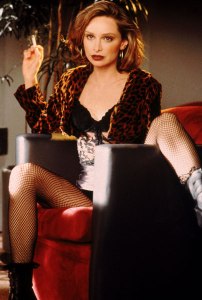 Ally McBeal was a dramedy, before the term had really gained much traction, and when it hit television there was nothing quite like it. It’s probably difficult to fathom for those who weren’t around at the time, but twenty years ago Ally’s particular brand of trippy plot devices and wealth of quirky characters was extremely rare, and the show helped to pave the way for others to colour outside the lines as well.
Set in a Boston law firm, the show’s humour was often edgy, and it relied heavily on surreal fantasy sequences, usually as a way to explore Ally’s feelings and/or fears. This sometimes added new directions that a more traditional episodic format would have been unable to achieve.
 Ally herself was one of the most talked about TV characters of the nineties. She was roundly lambasted for setting feminism back several generations and – by extension – Calista Flockhart, who played her, was also criticised for allowing it to happen. In essence there were a whole lot of people who took her far too seriously. I didn’t view her that way at all… but of course, being a guy in my early twenties, I was not the target demographic of either the show or the criticism.
 Ally McBeal had a truly ensemble cast, and every character was memorable, unique, and ripe with soundbites and quotable lines. Although the show was ultimately about Ally and her relationships with her friends and co-workers, the dialogue was so sharp and each character had been built so well, that the show ticked over effortlessly even when she wasn’t on screen.
 And of course, as any fan knows, John Cage is one of the best TV characters ever. A walking neurosis, he was often the best thing about any scene in which he appeared, and his back and forths with business partner Richard Fish was so good, it’s a crime those two never spawned a spin-off.
Ally McBeal was even (at least partly) responsible for bringing Robert Downey Jr back into the limelight, so even the mighty Iron Man owes Ally a debt of gratitude.
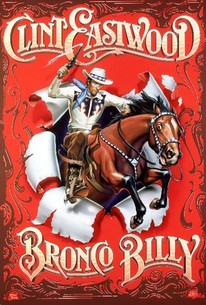 About twenty years ago there was a seemingly endless festival of Clint Eastwood movies on TV – this was, of course, back when people still watched TV. It was during this time that I was introduced to a lot of his performances – the good, the bad, and the ugly. Bad joke, I know.
 I think I may have missed the joke with Catch-22, or at the very least, the punchline, but I’m willing to accept that I may have been the problem rather than the novel. I knew when I read it that it was regarded as a classic, but I just didn’t get it… whatever it was. It’s a darkly comic novel, and obviously humour is very subjective, but it did nothing for me. In fact I found it quite boring and overly long.
 The Two Ronnies (the television show) is a British institution, and the two Ronnies (Barker and Corbett) are held in high regard in their own right as well, each having appeared in and produced comedy gold sitcoms independently of the other.
 There aren’t many musicals that I enjoy, as it’s not a genre that usually speaks to me, but this is one of the few that I can always make time for. Unsurprisingly, musicals live or die on the quality of their songs, and one bland number can ruin the whole experience and take you right out of it, but Little Shop of Horrors is filled with great tunes, and there isn’t a damp squib in the whole movie. If I know every word to every song in your musical, you must be doing something right.
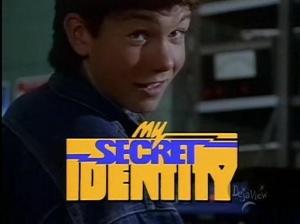 I think most people will have a fondness for certain TV shows from their younger days that they don’t really remember all that much about. It’s like a protected nostalgia. You know – shows where most of the details are gone, but there’s just something (for some reason) that your memory clings on to. My Secret Identity is one of those shows.
 -- Purveyor of Imagination --