Velocity by Dean Koontz – 2005
 I’ve read dozens of Koontz novels over the years – from the pretty terrible to the pretty terrific – but the man has earned my respect and gets a pass for the odd misfire. He is one of those authors I will always find a way back to if I can’t think of anything else to read. I’ve always envied his style. Koontz doesn’t write long-winded paragraphs but squeezes a lot of character into so few words. It’s a lot harder than it looks. It’s definitely a skill I admire, and there are very few people who can do it better.
For the first third of Velocity, I really thought it was going to be up there with his best. The idea is great: Billy Wile, finds a hand-written note under his windshield wiper (see the set-up spoiling cover picture above) and that’s it. Then we’re off to the races. It runs at a blistering pace, with a few clever moral quandaries to mull over along the way. The first two-thirds of the novel is fantastic, but once Billy starts to gain a little perspective on the situation, the story slows down, and it really isn’t as exciting or interesting anymore. Unfortunately it pulls towards a fairly unsatisfying conclusion with a couple of plot holes that you could drive a truck through.
Koontz knows how to pace a very good chase thriller, so even if the story wanes you never feel as though you’re sinking into quicksand because you’re always out the other side before you know it. Does he sometimes phone it in? Sure, that’s a valid criticism: his work can be a little formulaic at times, but there’s nothing inherently wrong with that. People like what’s familiar. If you enjoy beer, you don’t stop drinking it because it tastes the same as last time, do you?
 It may be hard to believe nowadays with how street-smart we all think we are, but back in 1992 Ghostwatch scared a lot of people. These days the internet would have burst the bubble of doubt long before the show even made it into our living rooms and the broadcast would have lost any ability it had to shock, but back then we were a little more naive and (apparently) a lot more gullible.
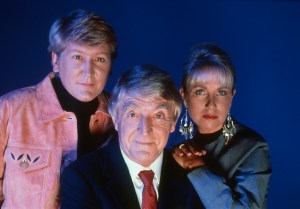 Ghostwatch was listed as a drama and had been pre-taped, but it was presented as if it was real and live on Halloween night. I think the primary reason a lot of people fell for the ruse was that it was hosted by Michael Parkinson, Sarah Greene, and Mike Smith. We trusted those guys, and there was no expectation of them being involved with something that was… well, kind of tacky.

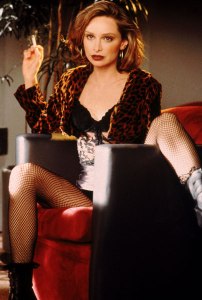 Ally McBeal was a dramedy, before the term had really gained much traction, and when it hit television there was nothing quite like it. It’s probably difficult to fathom for those who weren’t around at the time, but twenty years ago Ally’s particular brand of trippy plot devices and wealth of quirky characters was extremely rare, and the show helped to pave the way for others to colour outside the lines as well.
 Ally herself was one of the most talked about TV characters of the nineties. She was roundly lambasted for setting feminism back several generations and – by extension – Calista Flockhart, who played her, was also criticised for allowing it to happen. In essence there were a whole lot of people who took her far too seriously. I didn’t view her that way at all… but of course, being a guy in my early twenties, I was not the target demographic of either the show or the criticism.
 Ally McBeal had a truly ensemble cast, and every character was memorable, unique, and ripe with soundbites and quotable lines. Although the show was ultimately about Ally and her relationships with her friends and co-workers, the dialogue was so sharp and each character had been built so well, that the show ticked over effortlessly even when she wasn’t on screen.
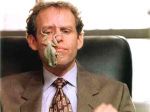 And of course, as any fan knows, John Cage is one of the best TV characters ever. A walking neurosis, he was often the best thing about any scene in which he appeared, and his back and forths with business partner Richard Fish was so good, it’s a crime those two never spawned a spin-off.
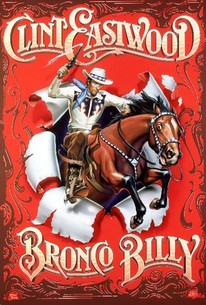 About twenty years ago there was a seemingly endless festival of Clint Eastwood movies on TV – this was, of course, back when people still watched TV. It was during this time that I was introduced to a lot of his performances – the good, the bad, and the ugly. Bad joke, I know.
 I think I may have missed the joke with Catch-22, or at the very least, the punchline, but I’m willing to accept that I may have been the problem rather than the novel. I knew when I read it that it was regarded as a classic, but I just didn’t get it… whatever it was. It’s a darkly comic novel, and obviously humour is very subjective, but it did nothing for me. In fact I found it quite boring and overly long.
 The Two Ronnies (the television show) is a British institution, and the two Ronnies (Barker and Corbett) are held in high regard in their own right as well, each having appeared in and produced comedy gold sitcoms independently of the other.
 -- Purveyor of Imagination --